How to make a viral video: choose a winning format within your niche
| Niche | Pattern | Within-niche rank | Sample (n) |
|---|---|---|---|
| Manifestation | Talking Head | 1 | 57Small sample |
| Parenting | POV | 1 | 26Small sample |
| Personal Finance | Talking Head | 1 | 122 |
| Pets | POV | 1 | 36Small sample |
| Real Estate | POV | 1 | 35Small sample |
| Skincare | Product Demo | 1 | 69Small sample |
| Spirituality | Text Overlay Only | 1 | 29Small sample |
How to go viral on TikTok, Reels and Shorts
Begin with the audience, not a platform-wide formula. A cooking demonstration and a comedy sketch meet different viewer needs. Compare formats within the same niche and platform; if that slice is too small, use the wider niche evidence and say what changed. The tables do not measure recommendation algorithms or prove which posting time causes reach.
- How to Go Viral on TikTok in 20261,315 eligible platform videos; the guide shows separate within-niche samples.
- How to Go Viral on Instagram Reels in 20261,305 eligible platform videos; the guide shows separate within-niche samples.
A platform without a qualified guide is withheld, not treated as having the same evidence as another platform. Inspect the original examples and create native footage you have the rights to use.
How to make viral videos: choose an honest hook
Write the payoff before the opening. What will this particular viewer see, learn or feel? Then choose a hook that makes that payoff clear without inventing stakes. A hook label is a description of an observed opening, not proof that it caused the views.
- Curiosity Gap
- Open a specific information gap: show enough to make the missing answer worth watching for, then actually resolve it.
- Bold Claim
- Start with a clear, defensible statement that challenges an expectation. Support the claim in the video rather than escalating it for attention.
- Question
- Ask a concrete question your intended viewer recognizes, then answer it with visible evidence.
- Visual Hook
- Use an immediately legible action, result or contrast as the opening image. Make its relevance clear without relying on a long introduction.
- Shock
- Open with a genuinely surprising observation. Keep the surprise truthful, safe and relevant; avoid fabricated stakes.
For example, a product demonstration can reveal the result before explaining the process; a tutorial can pose a concrete question and then visibly answer it. These are execution suggestions, not measured performance claims.
Pacing, audio and calls to action: fit the payoff
Cut anything that does not explain, demonstrate or build toward the promised result. Fast editing is not universally better: a careful demonstration may need a readable sequence, while a visual reveal may need contrast. These observations do not establish an ideal duration, cut rate or audio track.
Choose audio deliberately and use tracks you have permission to use. “Non-original” is not the same as “trending.” Captions and clear on-screen text can make the payoff easier to follow, but this catalogue does not measure their causal effect. Ask for a response only when it serves the video’s purpose.
| Niche | Pacing | Audio | CTA |
|---|---|---|---|
| Manifestation | Fastn=85 · Small sample | Originaln=38 · Small sample | Nonen=141 |
| Parenting | Fastn=49 · Small sample | Originaln=44 · Small sample | Nonen=151 |
| Personal Finance | Fastn=74 · Small sample | Originaln=33 · Small sample | Follow For Moren=33 · Small sample |
| Pets | Slown=100 | Originaln=28 · Small sample | Nonen=164 |
| Real Estate | Slown=89 · Small sample | Originaln=25 · Small sample | Nonen=118 |
| Skincare | Fastn=110 | Originaln=32 · Small sample | Nonen=153 |
| Spirituality | Slown=76 · Small sample | Originaln=33 · Small sample | Nonen=120 |
“Top” means the highest observed median among eligible groups in that niche, not a universal recommendation. Fields have different denominators; missing observations are not counted as “none.”
How to make a video go viral: a practical testing process
- 1
Pick a relevant niche
Choose the audience and viewer need first. Use the niche guides to compare patterns within that audience; do not use raw views from an unrelated niche as a benchmark.
- 2
Choose an evidence-backed pattern
Use the within-niche ranks below to find where a format is a reasonable test. Check the sample sizes and original examples.
- 3
Build an original payoff
Make the opening specific, deliver what it promises and credit source inspiration. Do not copy a creator’s footage or claim their result as your own.
- 4
Measure and iterate
Compare your own audience response across tests. Change one meaningful element at a time; these observations describe successful selected videos, not a causal recipe.
Real examples, credited to their creators
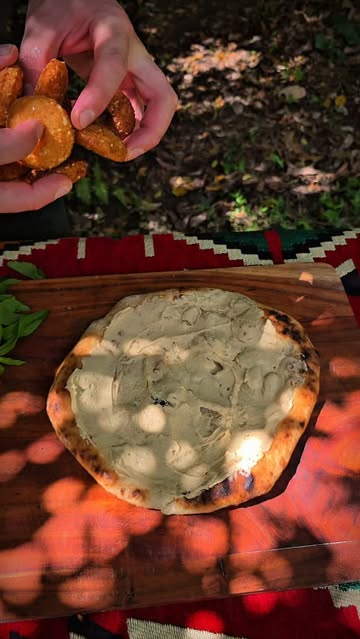
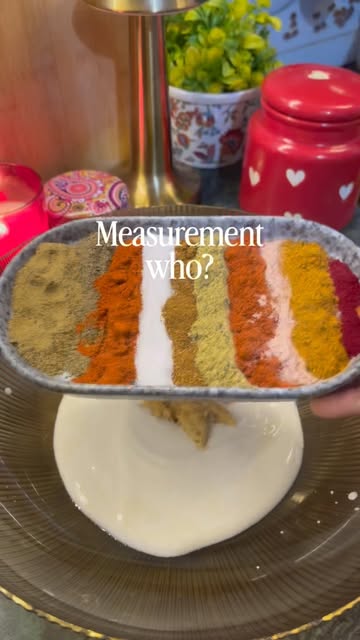


Instagram · @cook_with_nasiba581
Product Demo · Visual Hook
See the full breakdown →Watch the original video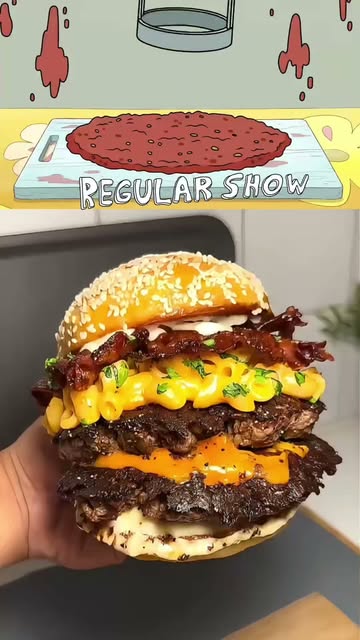
Instagram · @themomcooked
Split Screen · Curiosity Gap
See the full breakdown →Watch the original video
Methodology: correlation among viral videos, not a guarantee
One latest high-confidence, non-fallback, non-reused system editorial analysis per verified short-form public video; explicit pipeline claim; distinct video per active public niche. Selected observed viral catalogue, not representative. Correlation among viral videos, not a guarantee. Views are lifetime observations; missing dimensions excluded; non-original audio does not prove a trend.
Analysis window: August 22, 2026–October 27, 2026. Lifetime observed views are not exposure-adjusted. Groups with n<25 are excluded; n<100 is flagged small sample. Missing fields have separate denominators. A video can occur in multiple niche groups; overview pattern totals are not unique global audiences. Monthly SQL refresh; original video links above provide inspectable examples, not a representative global sample.
Read the broader research and limitationsDirect answers
How to make viral videos consistently?
Build a repeatable testing process rather than copying a single hit. Choose one audience, compare eligible formats within that niche, make original variations and review your own outcomes. A catalogue selected for viral success cannot establish your probability of success.
How to make a video go viral?
There is no guaranteed switch. Start with a specific viewer need, a relevant opening and an original payoff. Use within-niche evidence to choose a test, not to predict reach, and measure what happens with your own audience.
How do videos go viral?
Videos can spread as viewers watch, share and respond, but our selected-video observations do not identify causal ranking factors. Audience fit, creator reach and distribution conditions may affect outcomes. A high observed median is not proof that a format caused virality.
How to go viral on TikTok?
Choose an executable format for a specific TikTok audience, inspect original videos and test a clear opening and payoff. Use platform-filtered within-niche evidence where it meets sample gates; do not transfer an unrelated niche’s view counts or assume reused audio is trending.
Is there one formula that makes any video viral?
No. A format or hook that ranks highly in one niche may not rank highly in another. These tables compare observed patterns within a niche and do not promise a result.
How many videos support this hub?
2,651 eligible video observations support this scope. Each table shows its own known-field sample size. Groups below 25 are excluded; groups below 100 are marked small sample.
Does the highest median prove a format caused more views?
No. This is correlation among selected viral videos, not a guarantee. Audience size, creator skill, posting time and selection bias can affect the observed views.
Does non-original audio mean a trending sound?
No. Non-original audio may be licensed, reused or trending; that field alone does not distinguish them. We do not label it trending without sound-specific evidence.
How can I apply this to my own video?
Choose a pattern that fits your niche, inspect a credited example, and make an original test. Paste a video into VVS for its breakdown; new accounts receive two signup credits and full reports use the existing unlock rules.
Explore the matching guides
Not sure which niche fits your skills? Find your creator fit — the quiz is public; your free report is private to your account.
Find your niche’s viral formula →